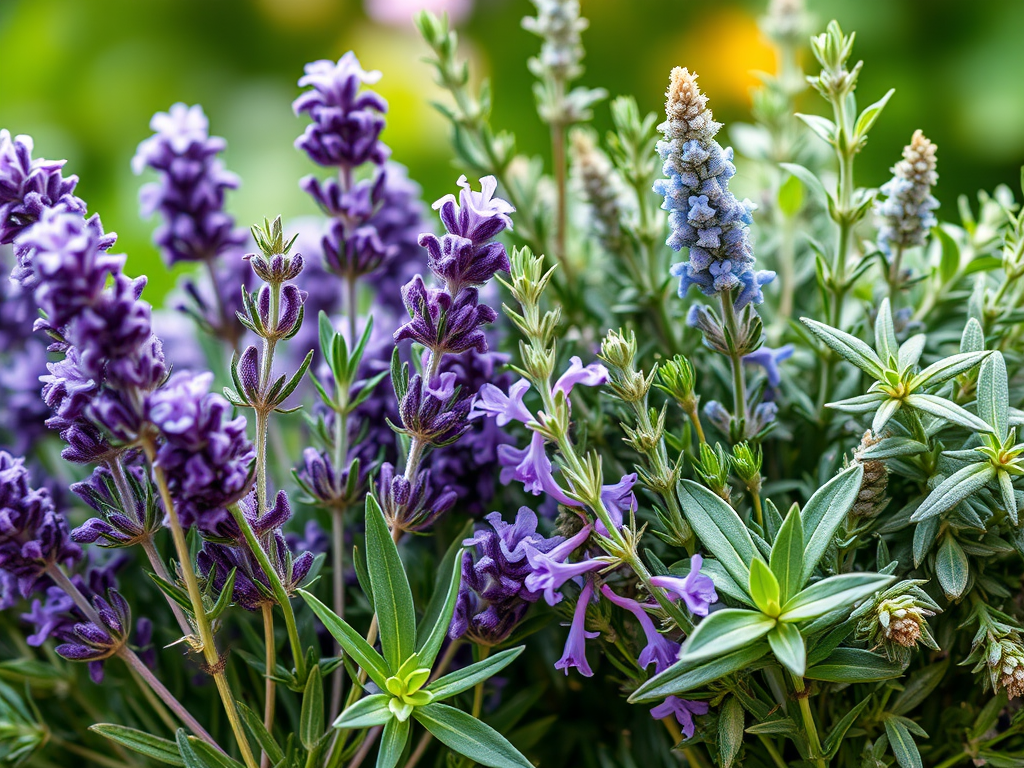
Lavender
Known as “the queen of herbs,” lavender was Knapke’s research plant for her master’s thesis, where she explored its various uses in aromatherapy and culinary applications. She recommends planting this fragrant herb on a slope to encourage good drainage, which is essential for its growth and to prevent root rot. Her favorite varieties include Hidcote, known for its striking deep purple color and exceptional hardiness; Blue Cushion, which features a lovely compact growth habit; Munstead, celebrated for its versatility in both gardening and cooking; Provence, renowned for its intense fragrance and oil production; and the newer compact variety Lavance Purple, perfect for smaller spaces and container gardening. Each of these varieties not only adds beauty and charm to any garden but also serves as a wonderful attractant for pollinators like bees and butterflies.
Rosemary
Knapke said this culinary herb darling requires some extra care but is worth the effort. She recommends growing rosemary in a container outside then moving it indoors for winter. Inside, the herb grows best in a Florida room or along a south- or southeast-facing window. Mist the plant frequently and avoid overwatering. Knapke recommends Arp rosemary for its cold hardiness, Severn Seas rosemary for its cascading habit, Barbecue with its stiff twigs for savory kebob skewers or Tuscan Blue with its blue flowers.
Thyme
This Mediterranean herb thrives in poor soil and works well as a ground cover or lawn substitute in low traffic areas. Thyme is a primary ingredient of za’atar, the popular Middle Eastern spice mix for seasoning meats or creating flat bread spreads. Knapke recommends French and lemon thyme for the kitchen. Fragrant ground covers include White Moss, Red Creeping “Coccineus,” Annie Hall, Doone Valley and Lemon Creeping.
Sage
a versatile herb renowned for its distinct flavor and aromatic qualities, is part of a large family of plants commonly referred to as salvias or sages. This impressive plant group encompasses approximately 900 different species, each offering unique characteristics and flavors, making them a favorite among gardeners and culinary enthusiasts alike.
Among the various types of sage available, several stand out for their delightful aromas and culinary uses. For instance, the Pineapple sage is beloved not only for its tropical fragrance but also for its surprising edible flowers that can enhance salads and desserts. Berggarten sage, with its robust flavor, is often preferred in cooking due to its soft, round leaves, which make it an excellent addition to savory dishes and meat preparations.
Furthermore, the Aurea variety, known for its striking golden foliage, provides a visually appealing contrast in any garden setting while still being useful in the kitchen. The lively purple hues of Purpurescens sage, on the other hand, are not only attractive but also highly sought after for their strong flavor. The dwarf Nana variety is perfect for smaller gardens or container planting, offering the same aromatic benefits in a compact form.
In addition to these culinary sages, there exists a fascinating group of ornamental tender salvias that thrive as annuals in Ohio’s climate. These plant options can add vibrant colors and enchanting shapes to garden landscapes. Varieties like Cherry Chief, with its bright red blooms, Dark Dancer, which features deep, rich coloring, Moonlight, known for its soft yellow flowers, and the striking Hummingbird ‘Black and Blue’ with its bold blue blossoms, are all excellent choices for gardeners looking to attract pollinators and beautify their outdoor spaces.
With so many options, from culinary to ornamental, sage plants truly offer something for everyone, making them a wonderful addition to any garden or culinary herb collection. Whether you are using them to season your favorite dishes or simply to enjoy their beauty, salvias are a remarkable and diverse group well worth exploring.
Scented Geranium

This delight to the nose is found in diversely aromatic varieties, each bringing its unique character and charm, and making it a favorite among gardeners and culinary enthusiasts alike. One of the most notable varieties is Peppermint, with its refreshing and invigorating scent that not only uplifts the spirit but is also perfect for adding a revitalizing touch to teas and desserts. Rober’s Lemon Rose is another standout; renowned for its bright fragrance, it is often described as “great for pound cakes,” where it adds a delightful citrusy zest that can elevate both simple and elaborate baked goods.
Furthermore, the old-fashioned Rose and Skeleton Rose varieties evoke a sense of nostalgia with their classic floral notes, reminiscent of traditional gardens and childhood memories, making them popular choices for creating aromatic sachets and potpourris. Chocolate Mint, with its tantalizing blend of sweet and savory, offers a unique twist that can transform ordinary desserts into extraordinary delights, inspiring innovative recipes that tantalize the palate.
Lady Plymouth is celebrated not just for its delicate aroma but also for its lush green foliage, making it an excellent ornamental choice in any herb garden. Additionally, varieties such as Apple, Nutmeg, Snowflake, and Fair Ellen each contribute to this enchanting medley of scents. Apple brings a fruity nuance, while Nutmeg offers a warm, spicy aroma. Snowflake stands out with its light, airy fragrance that can bring a sense of calm, and Fair Ellen charms with a sweet floral note that intrigues the senses.
Together, these varieties create a captivating array of scents that can transport anyone who experiences them, making Scented Geraniums not only a joy to grow but also a wonderful addition to culinary dishes, herbal remedies, and home fragrances alike. Their versatility and the sheer delight they bring to the senses ensure that they hold a cherished place in both gardens and kitchens around the world.
Bay
This tender herb, known scientifically as Laurus nobilis, is an evergreen tree of the laurel family and thrives beautifully as a houseplant when placed in a sunny location. With its glossy, dark green leaves, bay adds not only a culinary element but also a decorative touch to indoor spaces. Bay leaves are a staple in many soups, stews, and even sauces, imparting a depth of flavor that enhances a variety of dishes. They are typically removed before serving, as they can be tough and spiky.
In addition to its culinary uses, bay holds a special significance in ornamental gardening. Knapke, a creative gardener, illustrated this beautifully by crafting charming bay and thyme bonsai-style centerpieces for her daughter’s garden wedding. These unique arrangements not only celebrated the couple’s love but also showcased the versatility of these herbs in stylish displays. The aromatic qualities of bay and thyme added a fragrant touch to the festivities, embodying the essence of nature and celebration. Overall, the bay tree’s dual role as both a kitchen staple and a decorative plant makes it a beloved choice among gardeners and chefs alike.
Mint
Knapke admits mint is an even more aggressive rambler but said it can be managed by simply removing the plant’s shallow runners. She recommends mint’s subtle flavors for mint juleps, fruit salads and Indian dishes. Savor mint varieties such as Pineapple, Chocolate, Apple, Grapefruit, Lime and Peppermint “Robert Mitcham.”

Oregano
Widely used in Greek and Italian cuisine, this robust herb rambles a bit in the garden but is easy to control. Many herbs fall under the name “oregano” which often is interchangeable with marjoram, so Knapke recommends selecting a variety by its taste or scent appeal. She said the hot and spicy Origanum hirtum ssp. vulgare is still one of the best.
Garlic
Grown like a bulb and planted in the fall, garlic and its allium relatives such as chives and leeks are kitchen essentials that add both flavor and nutritional value to a wide variety of dishes. Not only do these aromatic herbs elevate meals with their distinctive tastes, but they also provide significant health benefits. Knapke points out garlic’s equally healthful benefits, such as helping build resistance to viruses and lowering cholesterol and blood pressure, making it a powerful ally for those looking to enhance their overall well-being. Additionally, garlic is rich in antioxidants, which can combat oxidative stress in the body, further supporting immune function. She prefers growing the better-storing soft neck varieties versus the hard neck ones, as they tend to have a longer shelf life and are more versatile for culinary uses, allowing for year-round enjoyment of these valuable ingredients in the kitchen.
Basil

Knapke said this quintessential pesto ingredient offers a taste of summer and Italy, encapsulating the essence of warm, sun-drenched days spent savoring fresh flavors. She recommends watering the herb when it’s first growing, nurturing its roots and encouraging robust foliage, but advises to ease off watering later in the season to prevent over-saturation which can impair growth. Sweet and Genovese basils are the classic culinary varieties that chefs adore for their delightful aroma and versatile uses in a plethora of dishes. Furthermore, do not overlook the aromatic and flavorful Lime and Cinnamon basils, which can add a unique twist to both savory and sweet recipes. The compact Green Bouquet basil, perfect for small gardens or pots, offers a strong taste while occupying minimal space. The striking purple-leafed Osmin basil not only serves culinary purposes but also adds a vibrant burst of color to any dish. Lastly, consider the ornamental African Blue basil, known for its stunning blooms that attract pollinators and enhance the garden’s aesthetics; these varieties together keep your culinary adventures fresh and exciting all summer long.
via Herbs: 10 Favorites for Ohio – Our Ohio.

 The Whispering Crane Institute
This is the place to comment.