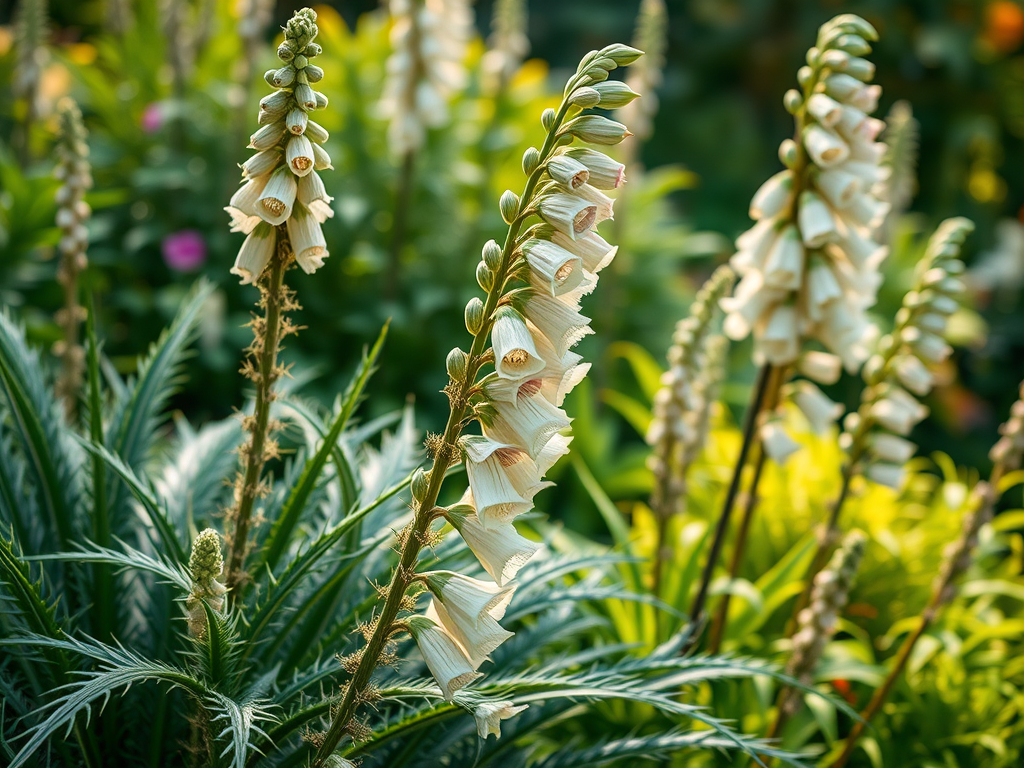
Acanthus spinosus
“Bears Breeches”
From the Digging Dog Nursery website:
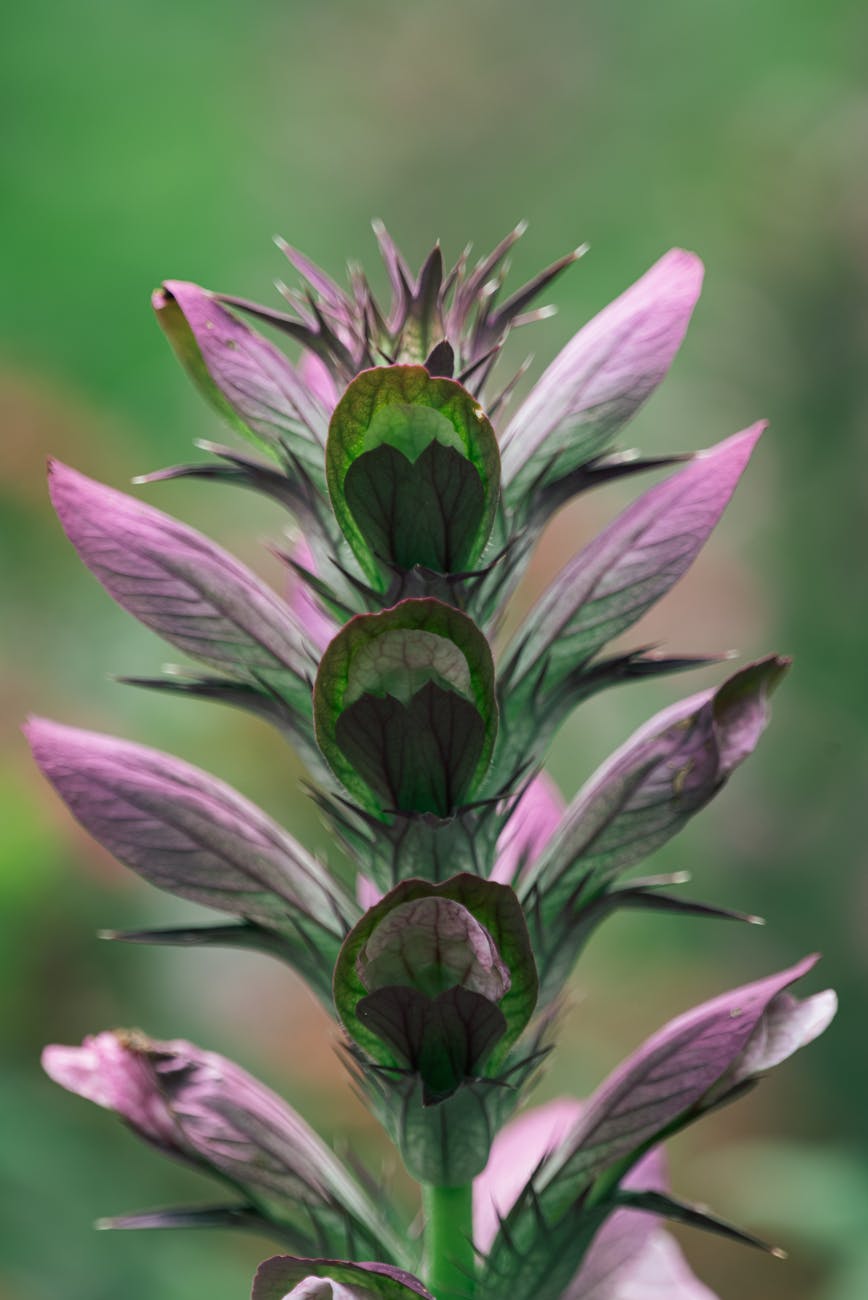
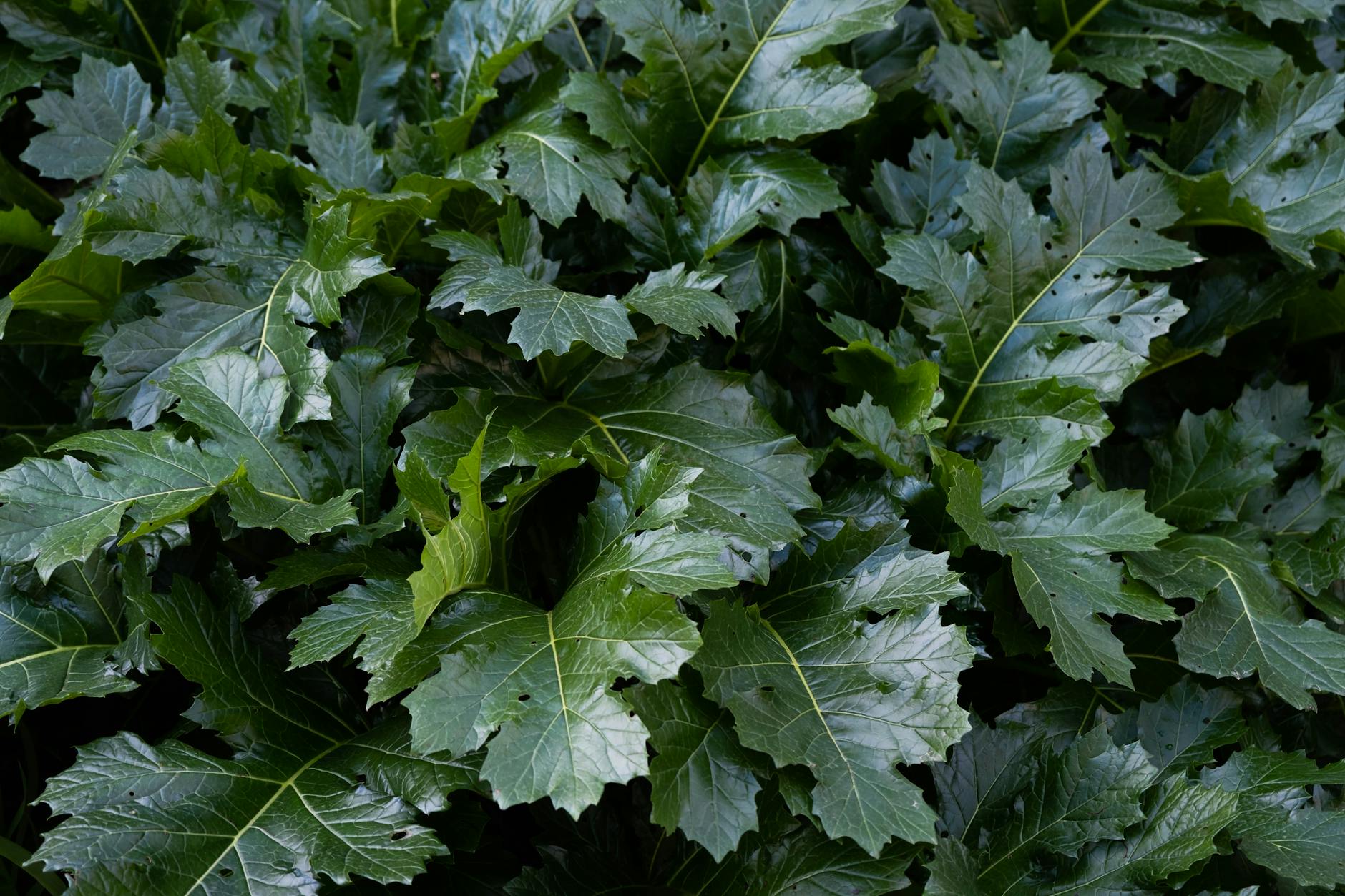
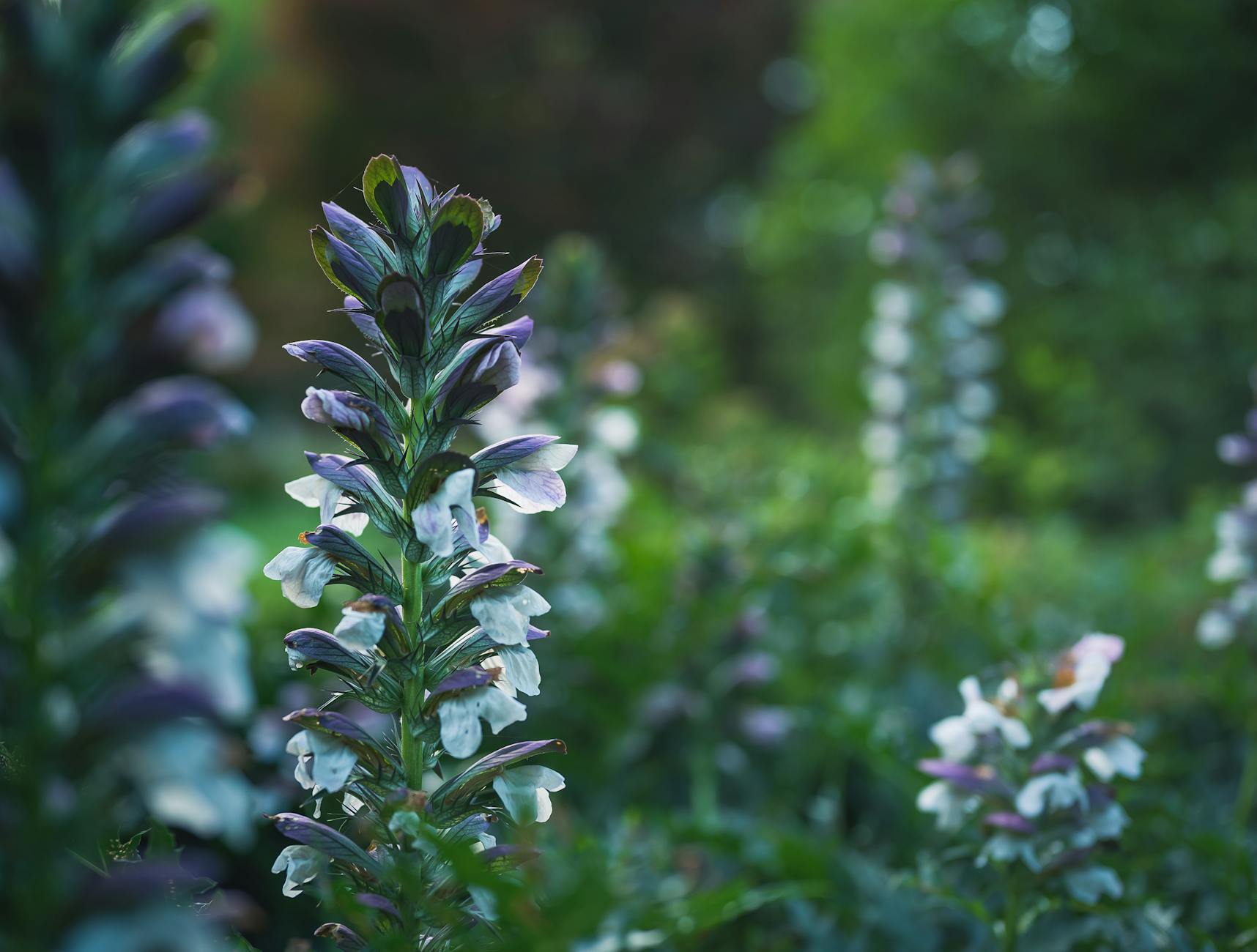
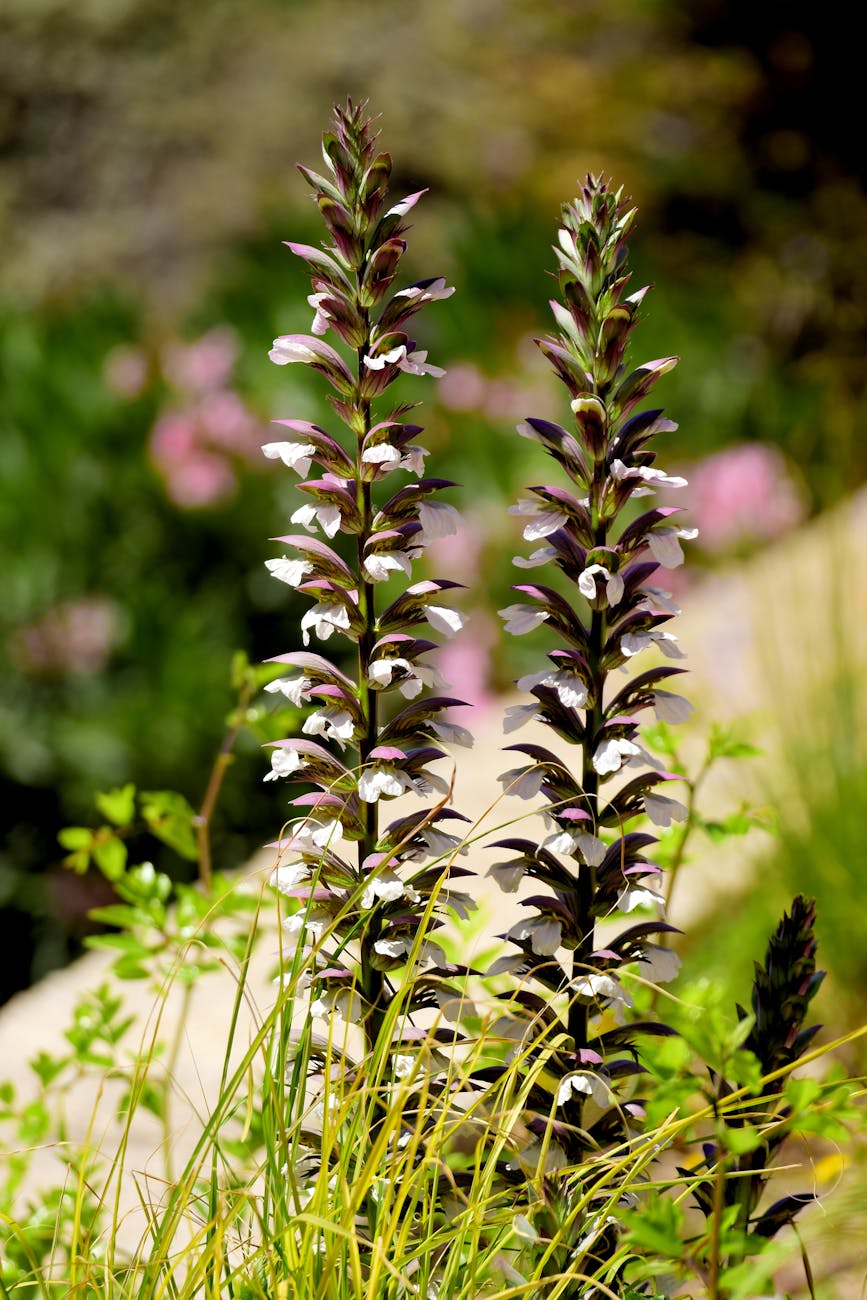
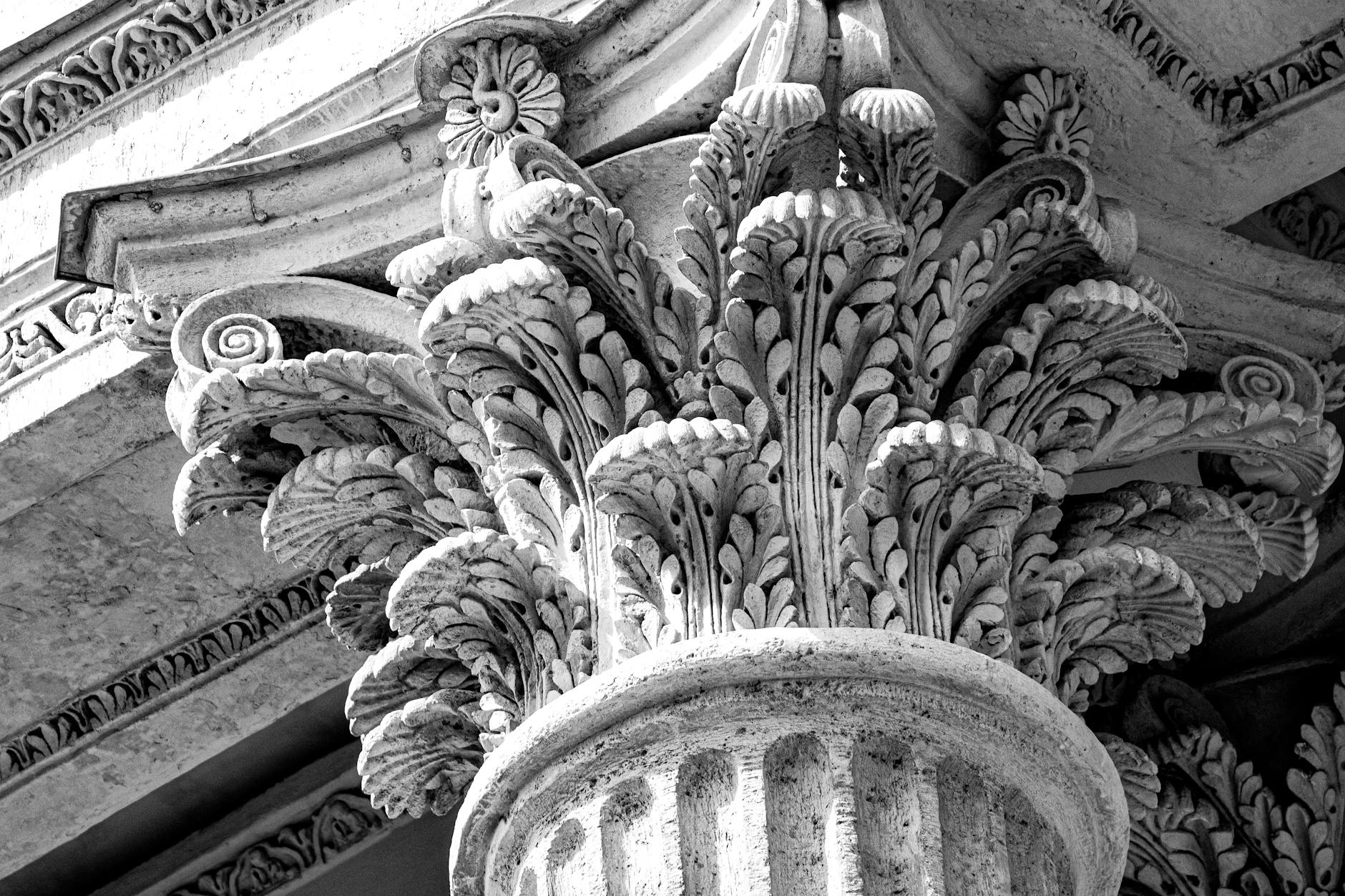
Hailing from the eastern Mediterranean, this bold and statuesque perennial is as strong as a gladiator and equally commanding. Held on lengthy stalks, the deeply divided, 2 to 3 feet long leaves are glossy and very dark green. Though spiny-looking, they are not too sharp. The leaves’ erect yet arching architecture inspired the decorative crown on Corinthian capitals. Mysterious, 2 feet tall wands of Foxglove-like flowers rise above the imposing mound. Each white-lipped blossom is anchored by a green-gray bract and nearly hidden by a decorative, hood-like purple calyx.
Blooms from June to July.
Size: 3 feet to 4 feet high and 2 to 3 feet wide.
Hardy to zone 6.
Source: Acanthus spinosus at Digging Dog Nursery



The Inspirational Role of Acanthus Plants in Architecture
Introduction
Acanthus plants, especially Acanthus spinosus, are known for their beautiful look and impact on architecture. Native to the eastern Mediterranean, these strong perennials have inspired artists and architects for centuries, particularly in the ornate styles of Corinthian capitals.
The Acanthus Plant: A Brief Overview
The Acanthus spinosus, commonly known as “Bears Breeches,” features impressive and glossy, deeply divided leaves that can grow 2 to 3 feet long. Although they may appear spiny, the edges are not sharp, making them a visually appealing addition to gardens and landscapes. The plant produces tall stalks adorned with wands of Foxglove-like flowers from June to July, characterized by their white-lipped blossoms resting within decorative purple calyxes.
Acanthus in Ancient Architecture
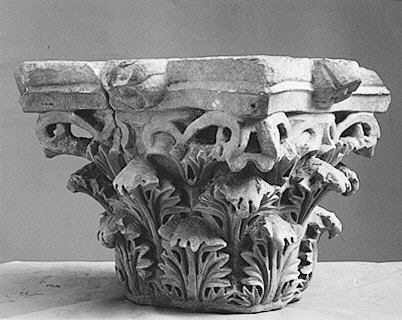
The link between Acanthus plants and architecture goes back to ancient Greece. Acanthus leaves are known for their beauty, attracting the interest of architects and sculptors. Their unique shapes influenced the ornate designs of Corinthian capitals, a style that developed in the 5th century BCE.
These capitals had ornate floral designs with Acanthus leaves curling outward, symbolizing strength and grace. The use of the Acanthus leaf in architecture represented elegance and refinement, reflecting the beauty of the plant.
The Symbolism of Acanthus
Beyond their visual appeal, Acanthus plants carry rich symbolism. In ancient symbolism, the Acanthus leaf often represented immortality and resurrection due to its vigorous growth and resilience. This association made it a fitting decorative choice for temples and buildings intended to inspire awe and reverence.
Acanthus in Modern Architecture
While the classical use of Acanthus motifs is often associated with ancient structures, the influence of this plant continues to resonate within modern architecture. Contemporary designers frequently draw upon the elegant curves and organic shapes of Acanthus leaves to infuse modern spaces with a sense of history and artistic tradition.
Architectural elements such as moldings, railings, and decorative motifs often integrate these natural forms, providing a timeless connection between nature and human creativity.
Conclusion
The Acanthus plant is a great example of how nature shapes architectural design. From the Corinthian capitals of ancient Greece to today’s modern buildings, the Acanthus leaf represents a mix of natural beauty and artistic expression. As we look at the connection between plants and architecture, the influence of the Acanthus will remain significant.
For those interested in the grandeur of both gardening and architecture, Acanthus spinosus serves as a symbol of the enduring connection between the natural world and human innovation, inspiring us to embrace the beauty that surrounds us.

 The Whispering Crane Institute
This is the place to comment.