 In several previous post I went through the very elemental beginnings of my take on Landscape Design Principles. The last was how I looked at design when considering motion, and the two parts of motion; static and dynamic.
Now let me turn my attention to the most discussed of all landscape design principles . . . color. More has been written about color than I could ever hope to even read, heck if I started reading now . . . I’d still be reading after I was dead.
A reminder of my chart on these 10 building blocks.
The list:
Ten Building Blocks to Design-Design at it’s Most Primitive
7 physical and 3 Sensory Elements=The 10 Basics of Design
Physical Elements:
-
Point: where everything starts.
-
Line: the connection of two points.
-
Plane: connection of several lines—2 dimensional.
-
Form: connection of several planes—3 dimensional.
-
Motion: movement/experience, planes/form.
-
Color: an added bonus to 3 dimensional space—courtesy of light.
-
Texture: as in manipulation of plane, form, and color.
Sensory:
-
Sound: Most powerful, out of sight, or irregular rhythm.
-
Touch/Tactile: human nature, drawn to . . .
-
Smell: kicks in memory, most powerful.
Color
So how does a guy like me write about(blog about) color? What do I have to offer that hasn’t been written before? Well, probably nothing, that’s what. Not a damn thing.
I do have something to say anyway . . . shocker. here we go with my 1st biggie
Color is overrated, that’s right . . . I said it, er, wrote it.
Color, especially when discussing flower color is overrated.
These flower colors last from a day to several months with most color range(s) in the 2-3 week range. With a time frame like that it would seem that the overall form, shape, texture, and foliage-especially foliage color is much more important in terms of landscape design.
Heck, I’ll take it even further living here in zone 5/6 . . . it’s the winter landscape that needs more attention, a lot more attention.
There are a lot of designers who would vehemently disagree with me, well fire away. Both barrels . . . I can take it.
I will not back down that the overall effect of the designed space is more critical to the success of the landscape than any color scheme involved in that very space. So, do I ignore color completely? Heck no.
Color Philosophy:
- I am always going to ask clients what color they do not like as opposed to color(s) they do like. Most often this is orange.
- I do pay attention to color palette in regards to planting backdrop. No sense having red flowers in front of a red brick house.
- I do like to stay with pastels together, and not have that mix with one or more hot colors.
- If a client wants it hot, stay hot. No need to drift off into something cool, or some of those nice pastels.
- Green is a color, a great color. You can get really creative with shades of green and create a awesome foliage planting, with year round interest.
- Some plants flower color looks great for two weeks, and like crap for the other 50(most Azaleas, Quince, Mock Orange, older Lilacs, etc . . . oops Forsythia!) plan for that. Plats that flower for two weeks are support plants . . . not focal plants!
- Thinking
- Still thinkin’ . . . more will come. I just know it. You all know how this works, as soon as I click off of this . . . boom! Another example of me and color.
Color lowdown
Here are several links to some real discussion/images/charts on everything you would ever want to know about all there is to know about color.
This list has it all. It’s in pictures so you have to be feeling a bit adventurous and take a chance when you click a pic!
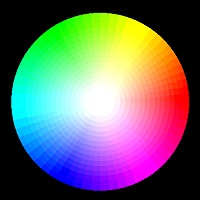

Here are a couple more:


Even more
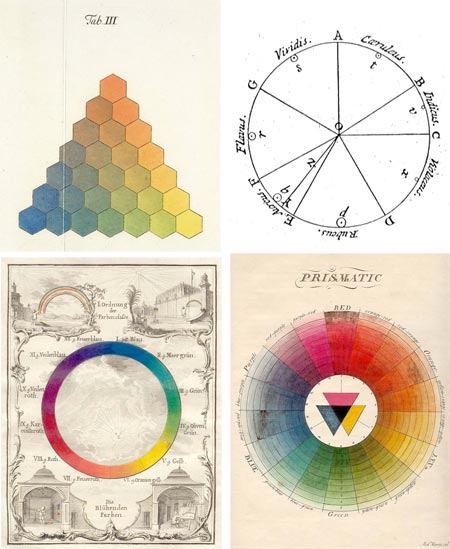
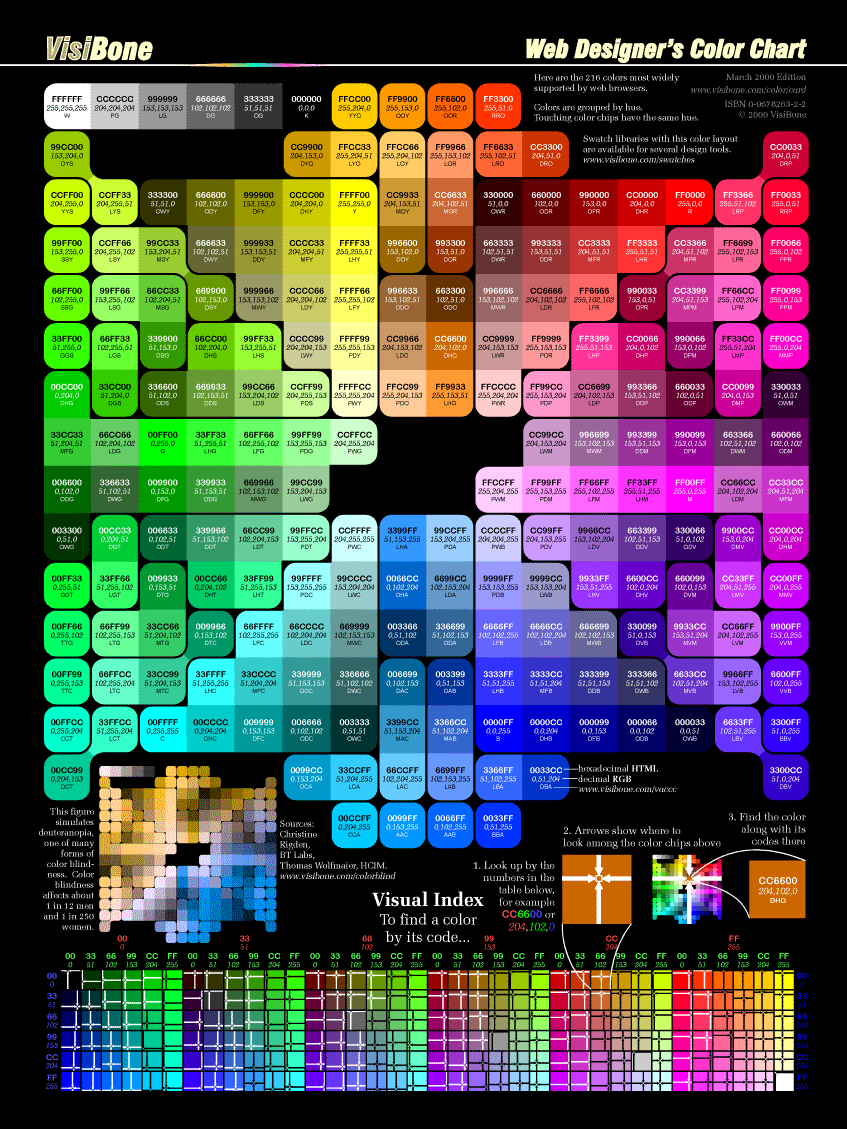
Still more, told you there were lots of possibilities to go look at:


The last two image both originate from a site called Colorlouvers. A very nice website where you can learn a lot about palettes and creating palettes. If you draw, paint, use color in any way(interior work?), anything.
You could spend a lot of time here, a lot.
Color, that’s it. That’s all I got.
Texture . . . you’re on deck!


 The Whispering Crane Institute
This is the place to comment.